Understanding Why Filing Back Taxes is Crucial (and Less Scary Than You Think)
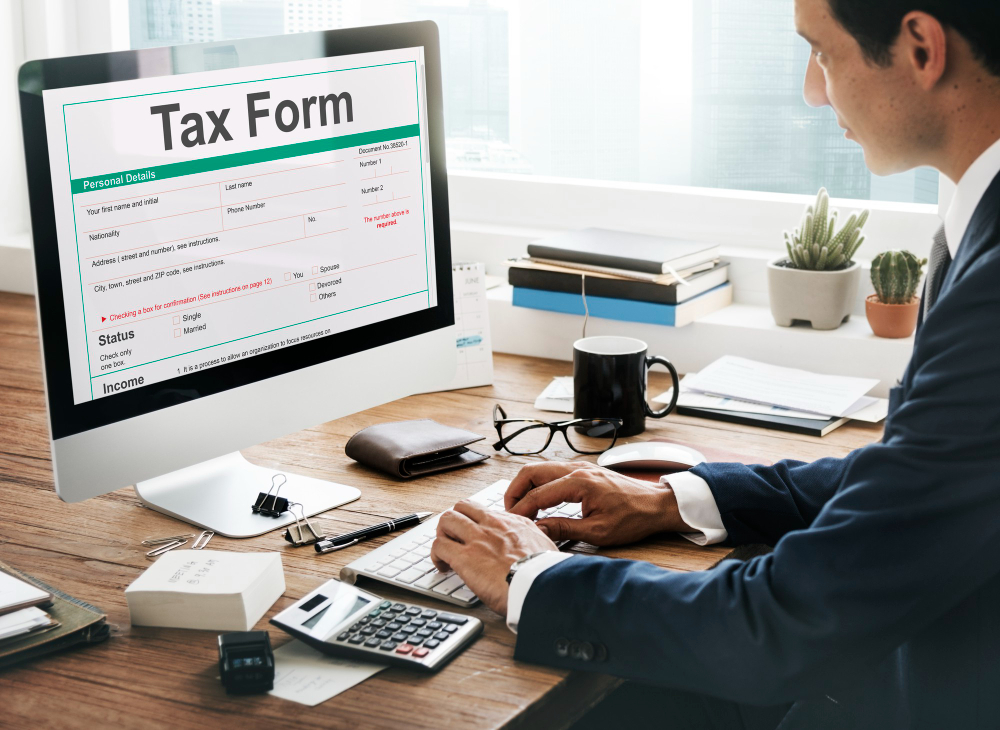
The thought of filing back taxes can be incredibly intimidating, often leading people to delay it even further. It feels like you’re opening a door to more problems, but the opposite is actually true. Proactively addressing unfiled returns is the single best way to stop the spiral of mounting debt and regain control of your financial future. When you don’t file, the IRS (Internal Revenue Service) starts to take notice. They'll often file a Substitute for Return (SFR) for you, but this is almost never in your favor. An SFR doesn't include any of the deductions or credits you may be entitled to, which means your tax bill will be much higher than it should be. On top of that, the IRS will begin to charge significant penalties for both failure to file and failure to pay, along with daily compounding interest. These charges can quickly turn a manageable debt into a massive one, and they will continue to accumulate until you take action. Taking a proactive approach is the key to stopping these penalties and interest charges. Filing your tax returns, even if you can’t pay the full amount you owe, is the most powerful step you can take. It signals to the IRS that you are making an effort to comply, which can open the door to various solutions. It puts you back in the driver's seat, allowing you to move from a position of fear to one of finding a resolution. Remember, filing is not the same as paying. It’s the essential first step that makes all other solutions possible.Your Step-by-Step Guide to Filing Back Taxes
Filing back taxes might seem like a daunting task, but breaking it down into a simple, step-by-step process makes it far more manageable. Following this guide will help you organize your efforts and move confidently toward a resolution.- Gather Your Documents The first and most critical step is to collect all the necessary financial records for each year you haven’t filed. This includes income statements like W-2s from employers and 1099s for contract work or other income. You'll also need records for any life events that might provide tax deductions, such as receipts for charitable donations, student loan interest, or mortgage interest statements. Don't panic if you've lost some of these forms. You can request wage and income transcripts directly from the IRS website for free. This official record from the IRS will show most of the income information they have on file for you.
- Calculate Your Owed Taxes Once you have your documents, you'll need to prepare a separate tax return for each outstanding year. Accuracy is paramount here, as errors can lead to further delays and complications. If your financial situation is relatively simple, you might be able to use a reputable tax software program to guide you. However, for most cases involving multiple years or complex income streams, it’s highly recommended to seek professional assistance. A tax professional can ensure your returns are accurate and that you claim every deduction and credit you're entitled to, which can significantly reduce your tax liability.
- Choose Your Filing Method You have two primary options for submitting your back tax returns:
- Self-Filing: For individuals with very straightforward tax situations and only one or two years of unfiled returns, tax software can be a cost-effective choice. It will walk you through the process, but it requires you to be confident in your ability to input all the correct information.
- Professional Help: For anyone facing multiple years of unfiled taxes, significant debt, or a complicated financial history, working with a tax professional is the most reliable option. A qualified expert not only ensures accuracy but also handles all communications with the IRS on your behalf. They bring a level of expertise that can uncover relief options you may not know about, providing invaluable peace of mind.
- Submit Your Returns After completing the returns, you can either mail them to the IRS or, if you are using a professional service, they can often file them electronically. For mailed returns, it’s always best to send them via certified mail with a return receipt requested. This provides proof that you sent the documents and that the IRS received them, which is crucial for your records. Remember, the goal of this step is simply to get your tax returns filed, even if you can’t pay the taxes due. The next step will be to explore your payment options.
Ready to Get Started?
Get a free consultation with a certified debt consultant to see if debt settlement is right for you.
Get Free ConsultationAbout the Author
Bhupinder Bajwa
Bhupinder Bajwa is a Certified Debt Specialist and Financial Counselor with over 10 years of experience helping families overcome financial challenges. Having worked extensively with the South Asian community in the U.S., he understands the cultural nuances and unique financial hurdles they may face. He is passionate about offering clear, compassionate, and actionable guidance to help individuals and families achieve their goal of becoming debt-free.
Related Articles
Understanding Debt Settlement Letters
15 min read
Debt Relief For Businesses: What Are Your Options?
14 min read
Understanding Debt Settlement Letters
15 min read
Pros And Cons Of Debt Management: Is It For You?
14 min read
Debt Management Vs Debt Settlement: What Suits You Best?
14 min read
What Is The Bad Debt Deduction?
15 min read
Get Your Free Consultation
Speak with a certified debt consultant to explore your options.
Start NowNo obligation • Free consultation
Related Posts
- Understanding Debt Settlement Letters
15 min read
- Debt Relief For Businesses: What Are Your Options?
14 min read
- Understanding Debt Settlement Letters
15 min read
- Pros And Cons Of Debt Management: Is It For You?
14 min read